

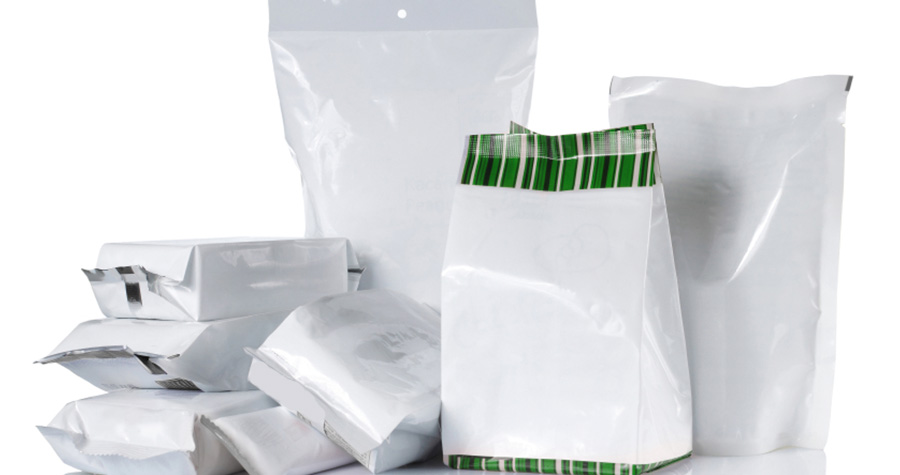
In the industrial production world, packaging goes far beyond protecting the product. It conveys quality, adds value to the brand, and influences consumer purchasing decisions. Among the various options available, flexible packaging has been gaining ground for being versatile, lightweight, and visually appealing.
But how do you know which type is most suitable for your product? Let’s explore the main types of flexible packaging and how to choose the ideal one for your business.
What is flexible packaging?
Flexible packaging is made from malleable materials such as plastic films, laminates, and special papers that easily adapt to the shape of the product. It is widely used in the food, pharmaceutical, cosmetic, and chemical sectors, offering convenience and excellent shelf presentation.
Four main types of flexible packaging
- Stand Up Pouch – Sophisticated and modern, this packaging stands upright on shelves, visually standing out and conveying higher added value.
- Pillow Bag with Three Seals – Common for snacks, cereals, and frozen products. Practical, cost-effective, and provides good protection.
- Stick Pack – Ideal for individual portions, widely used in the supplements and pharmaceutical industries.
- Sachet with Four Seals – Reliable and versatile, found in the pharmaceutical, supplements, and cosmetics sectors.
Factors to choose the ideal packaging
- Product nature: whether it is liquid, solid, powder, or paste.
- Shelf life: packaging with better moisture and light barriers increases product longevity.
- Consumer experience: ease of opening, transport, and storage.
- Visual appeal: colors, design, and shape that strengthen the brand.
Flexibility beyond the food industry
While highly popular in the food sector, flexible packaging also has significant applications in cosmetics, chemicals, and pharmaceuticals, allowing adaptation to different sizes and formats without losing necessary strength and protection.
Want to learn more?
Specialist Ryan Cabral explains each type of flexible packaging and its uses in a short and informative video. You can watch it here: Discover Which Flexible Packaging Is Ideal for Your Product.