
Sealing is one of the most critical stages in a flexible packaging production line. A poorly executed seal can lead to leaks, product loss, customer returns, and serious damage to your brand’s reputation. That’s why understanding how an automatic sealer works—and how to configure it properly—is essential for ensuring efficiency and product quality.
What Is an Automatic Sealer?
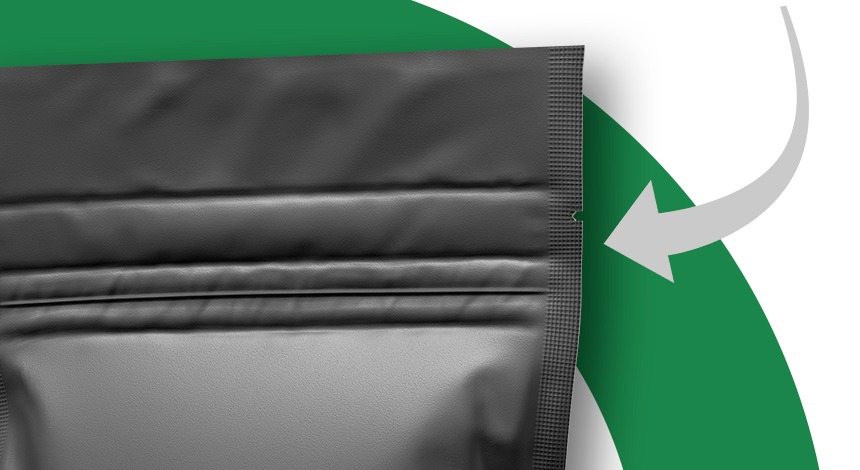
An automatic sealer is a machine that seals packaging by applying heat and pressure to bond the edges of plastic films. In modern production lines, these machines operate continuously and are synchronized with the filling and conveying systems to deliver high-speed, consistent results.
Unlike manual or semi-automatic machines, automatic sealers are equipped with sensors, conveyors, and precision settings that allow them to adapt to the production flow and accommodate different types of packaging.
Key Parameters for High-Quality Sealing
To achieve reliable and consistent seals, three key parameters must be accurately set:
- Sealing temperature: Too low, and the seal may fail; too high, and it can damage the material.
- Sealing pressure: Essential for bonding films securely without deforming the packaging.
- Thermal contact time: Long enough to activate the seal, but not so long that it overheats the material.
These settings depend on the type of film being used (e.g., PE, BOPP, metallized PET, laminates) and the product being packaged—whether liquids, powders, or granules.
Benefits of Using an Automatic Sealer
Incorporating an automatic sealer into your production line provides several advantages:
- Increased productivity: Continuous and synchronized operation speeds up the workflow.
- Standardized processes: Every package receives the same consistent seal.
- Reduced failure rates: Precise settings minimize losses from sealing defects.
- Improved operator safety: Reduced direct contact with hot components lowers the risk of accidents.
Quick Tips for Better Sealer Performance
- Recalibrate sealing temperature, pressure, and dwell time before starting a new batch.
- Use films that are compatible with both your product and the machine’s operating parameters.
- Keep sealing rollers and blades clean to prevent residue buildup.
- Conduct regular seal integrity tests using samples from the production run.
Final Thoughts
Sealing is a crucial step in the packaging process. When done right, it not only protects the product but also enhances its perceived quality. By investing in an automatic sealer and mastering its settings, your company can boost productivity, reduce waste, and deliver a more competitive product to the market.