
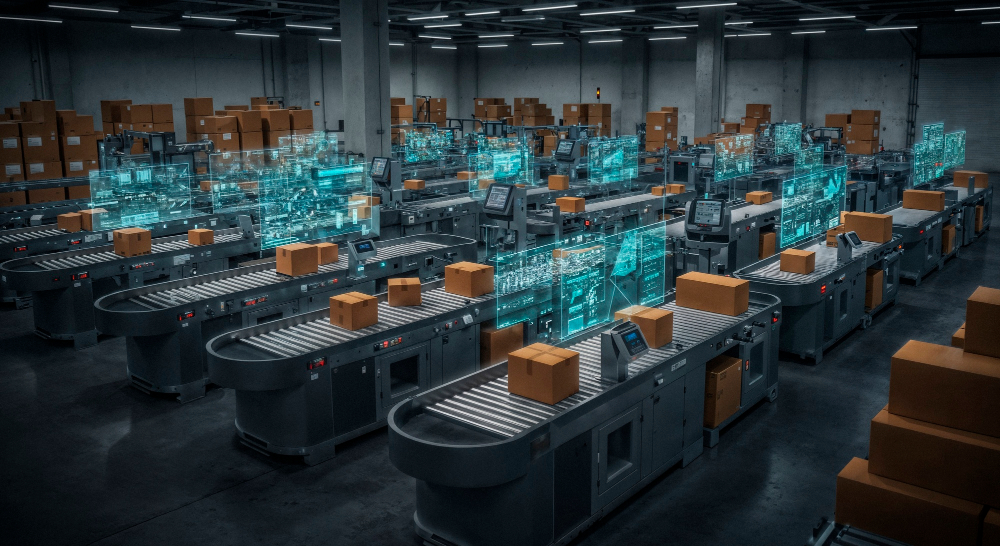
When it comes to modernizing production, many companies still see automation as a high cost that is difficult to justify. However, the correct perspective is to view this implementation as a strategic investment, capable of generating financial and competitive returns in the medium and long term.
After all, automated machines and systems don’t just speed up processes—they reduce errors, optimize resources, and increase the quality of the final product.
Why automation is more than just an expense
Unlike one-time costs, investing in automation brings recurring benefits:
- Reduced losses due to human errors or process failures.
- Higher productivity, allowing you to serve more customers in the same period.
- Standardization and quality, increasing satisfaction and customer loyalty.
Combined, these factors lead to cost savings and increased revenue, creating a positive cycle for the company.
Results that speak for themselves
Companies that adopt automated systems often notice clear gains within the first few months:
- Lower operational costs through more efficient use of resources.
- Faster production, reducing delivery times.
- Enhanced safety and process control, minimizing rework.
With these improvements, the return on investment (ROI) is often quicker than expected.
Market competitiveness
In today’s environment, productivity and quality are indispensable differentiators. Companies that invest in automation are better prepared to meet growing demands, compete with major players, and seize opportunities without compromising operations.
In other words, technology is no longer a luxury—it has become a strategic necessity.
Viewing automation as an expense limits the growth potential of your business. With gains in efficiency, cost reduction, and increased competitiveness, it is clear that automation is an investment with guaranteed returns. The real question is no longer if it is worth it, but when you will start.