
Leaks in liquid packaging are a recurring issue on filling lines. Beyond compromising the product’s appearance, they can lead to financial losses, rework, and even pose safety risks for consumers. The good news? With a few technical adjustments and solid operational practices, this problem can be effectively prevented.
Why Do Leaks Occur?
In most cases, leaks are caused by poor sealing. Common reasons include:
- Use of films incompatible with the product
- Misconfigured sealing machines (incorrect temperature, pressure, or dwell time)
- Contamination in the sealing area (e.g., product residue on film edges)
- Worn components such as cutting knives, Teflon strips, or heating bars
Even with high-end equipment, improper calibration or lack of maintenance can compromise the entire production process.
The Role of Proper Technical Settings
To ensure strong, reliable seals, machine settings must be tailored to both the product and packaging material. For liquid packaging—whether for cleaning products, cosmetics, or food—precise control of the following is essential:
- Sealing bar temperature
- Heat contact time
- Sealing pressure
- Compatibility between film and product
These parameters directly affect seal integrity and its ability to withstand handling and transportation.
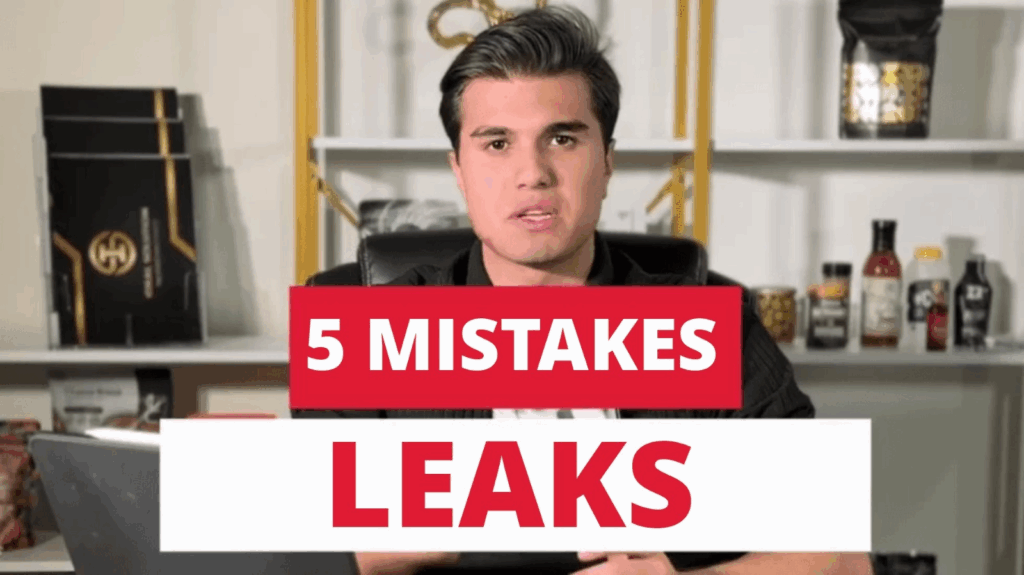
⚠️ The Top 5 Causes of Leaks
Most packaging leaks stem from one or more of these five critical issues:
- Incorrect sealing temperature
- Inadequate sealing time
- Insufficient or excessive sealing pressure
- Poor cooling performance
- Mismatch between film material and product
Each factor must be carefully calibrated based on the product and packaging specifications. A single misstep can lead to weak seals, product waste, and a damaged brand image.
Preventive Maintenance Is Crucial
Maintaining equipment in top condition is vital. Damaged Teflon, misaligned heaters, or faulty sensors can directly impact sealing performance. A well-structured preventive maintenance routine helps minimize unexpected downtime and drastically reduces the risk of failure.
Regular cleaning of sealing components also prevents contamination that can compromise the seal.
Final Thoughts
Preventing leaks in liquid packaging doesn’t require major investments—just attention to detail. Small technical adjustments, routine maintenance, and the right materials can significantly enhance production quality and output. With best practices in place, your line becomes safer, more efficient, and more reliable—ultimately strengthening your brand reputation.
BLOG 3 – How to Ensure Perfect Seals with Automatic Sealers: What You Need to Know
Sealing is one of the most critical stages in a flexible packaging production line. A poorly executed seal can lead to leaks, product loss, customer returns, and serious damage to your brand’s reputation. That’s why understanding how an automatic sealer works—and how to configure it properly—is essential for ensuring efficiency and product quality.
What Is an Automatic Sealer?
An automatic sealer is a machine that seals packaging by applying heat and pressure to bond the edges of plastic films. In modern production lines, these machines operate continuously and are synchronized with the filling and conveying systems to deliver high-speed, consistent results.
Unlike manual or semi-automatic machines, automatic sealers are equipped with sensors, conveyors, and precision settings that allow them to adapt to the production flow and accommodate different types of packaging.
Key Parameters for High-Quality Sealing
To achieve reliable and consistent seals, three key parameters must be accurately set:
- Sealing temperature: Too low, and the seal may fail; too high, and it can damage the material.
- Sealing pressure: Essential for bonding films securely without deforming the packaging.
- Thermal contact time: Long enough to activate the seal, but not so long that it overheats the material.
These settings depend on the type of film being used (e.g., PE, BOPP, metallized PET, laminates) and the product being packaged—whether liquids, powders, or granules.
Benefits of Using an Automatic Sealer
Incorporating an automatic sealer into your production line provides several advantages:
- Increased productivity: Continuous and synchronized operation speeds up the workflow.
- Standardized processes: Every package receives the same consistent seal.
- Reduced failure rates: Precise settings minimize losses from sealing defects.
- Improved operator safety: Reduced direct contact with hot components lowers the risk of accidents.
Quick Tips for Better Sealer Performance
- Recalibrate sealing temperature, pressure, and dwell time before starting a new batch.
- Use films that are compatible with both your product and the machine’s operating parameters.
- Keep sealing rollers and blades clean to prevent residue buildup.
- Conduct regular seal integrity tests using samples from the production run.
Final Thoughts
Sealing is a crucial step in the packaging process. When done right, it not only protects the product but also enhances its perceived quality. By investing in an automatic sealer and mastering its settings, your company can boost productivity, reduce waste, and deliver a more competitive product to the market.